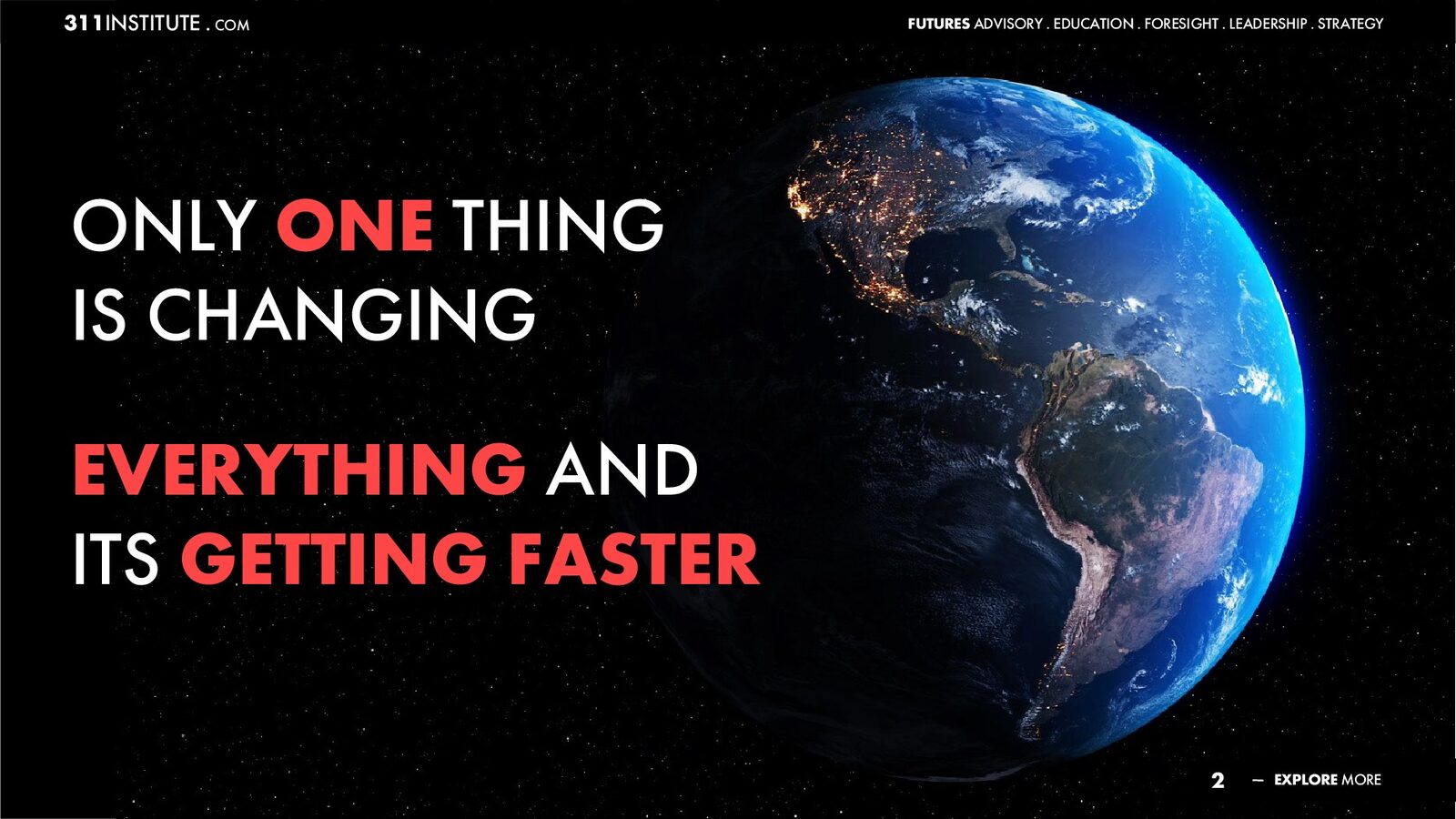
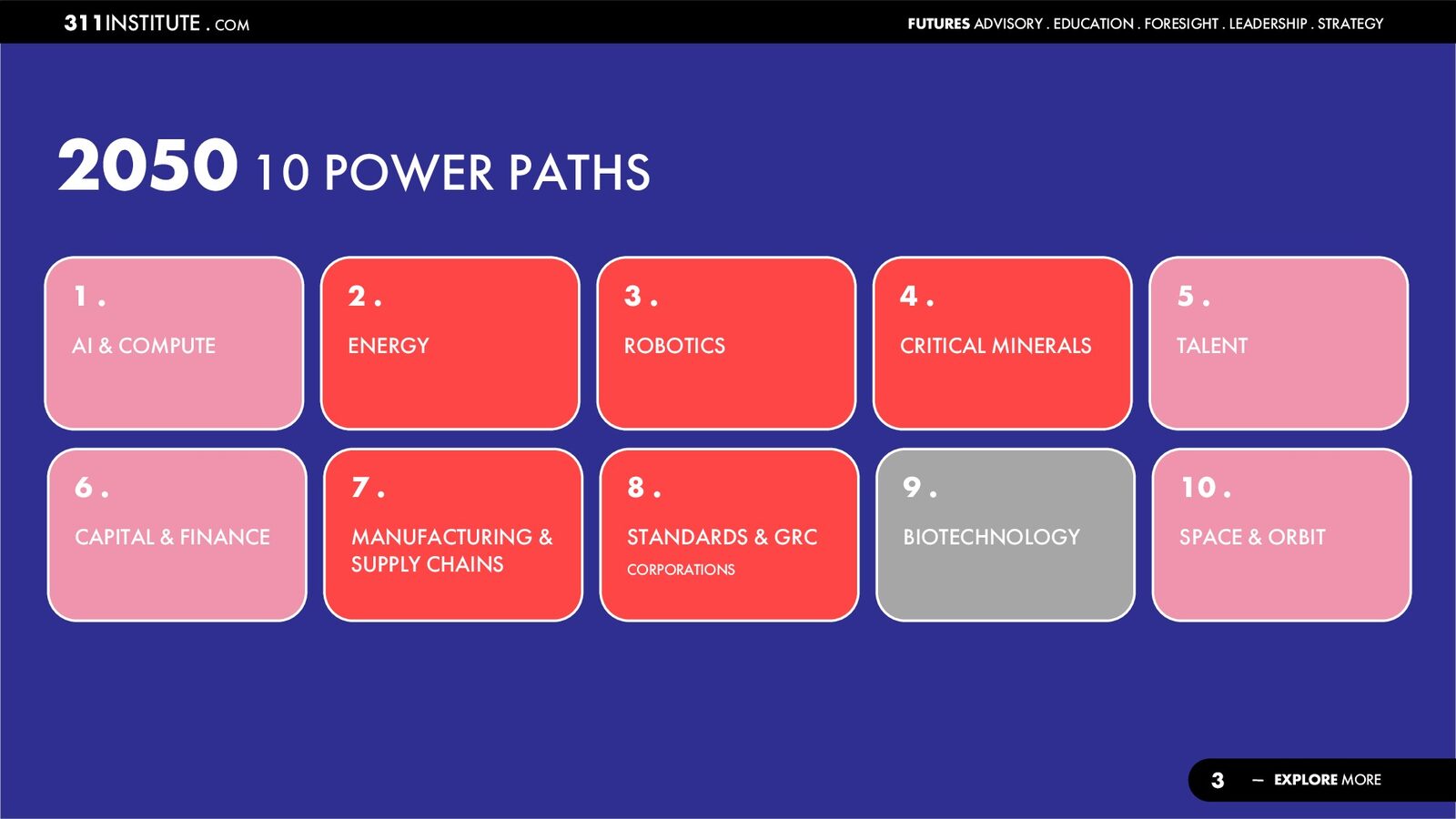







IWCS brings together the companies that make, supply and install the world's wire, cable and connectivity, and for its 75th forum its CEO, David Kiddo, and the IWCS board asked Matthew to look far ahead at what all of that will have to carry. His keynote, The Future of Data and Energy Transmission, started from a single idea: only one thing is changing, everything, and it is getting faster. Mapped against the ten power paths that will shape 2050, from AI and compute and energy to critical minerals, talent, space and orbit, transmission sits underneath every one of them.
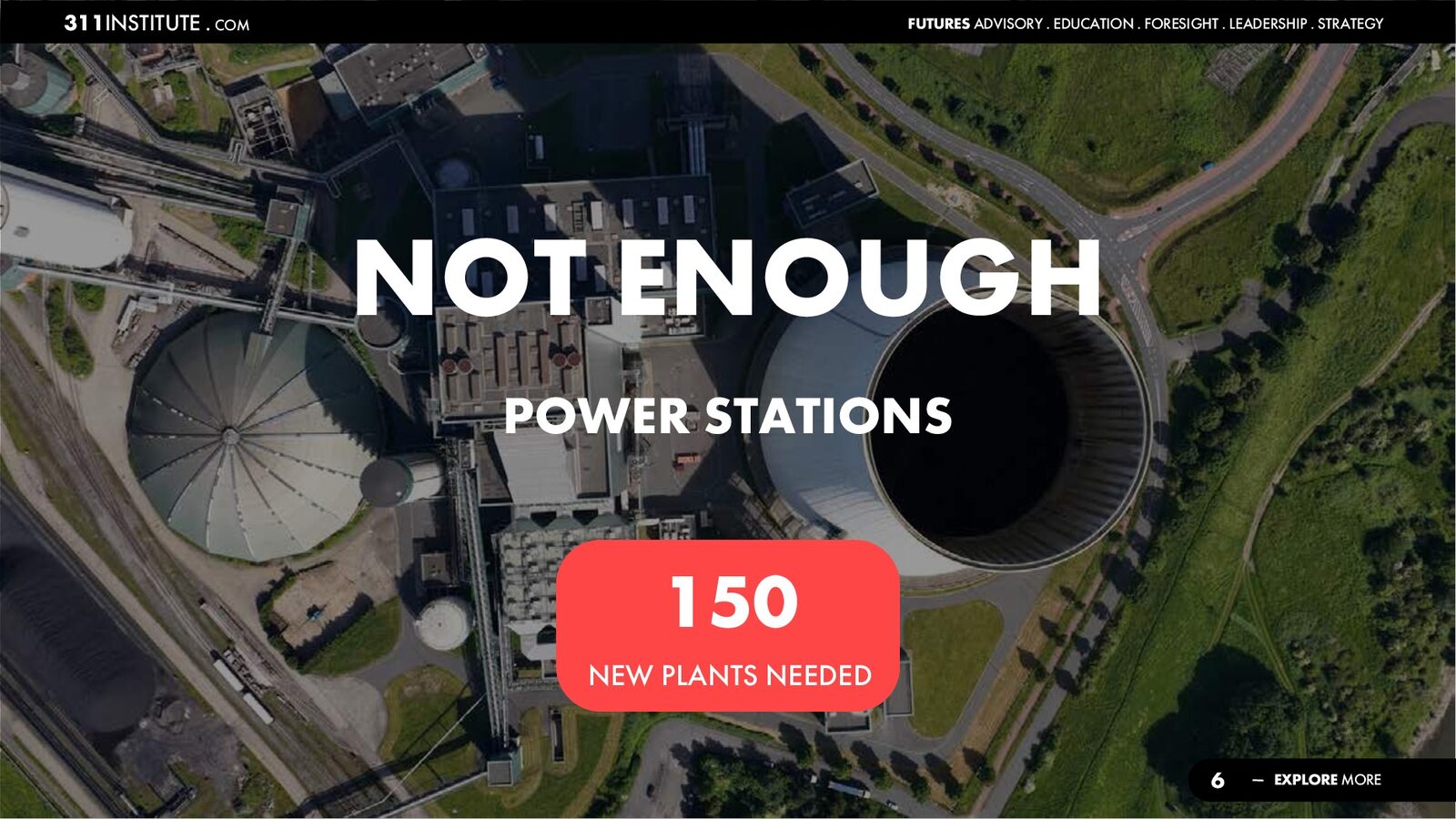
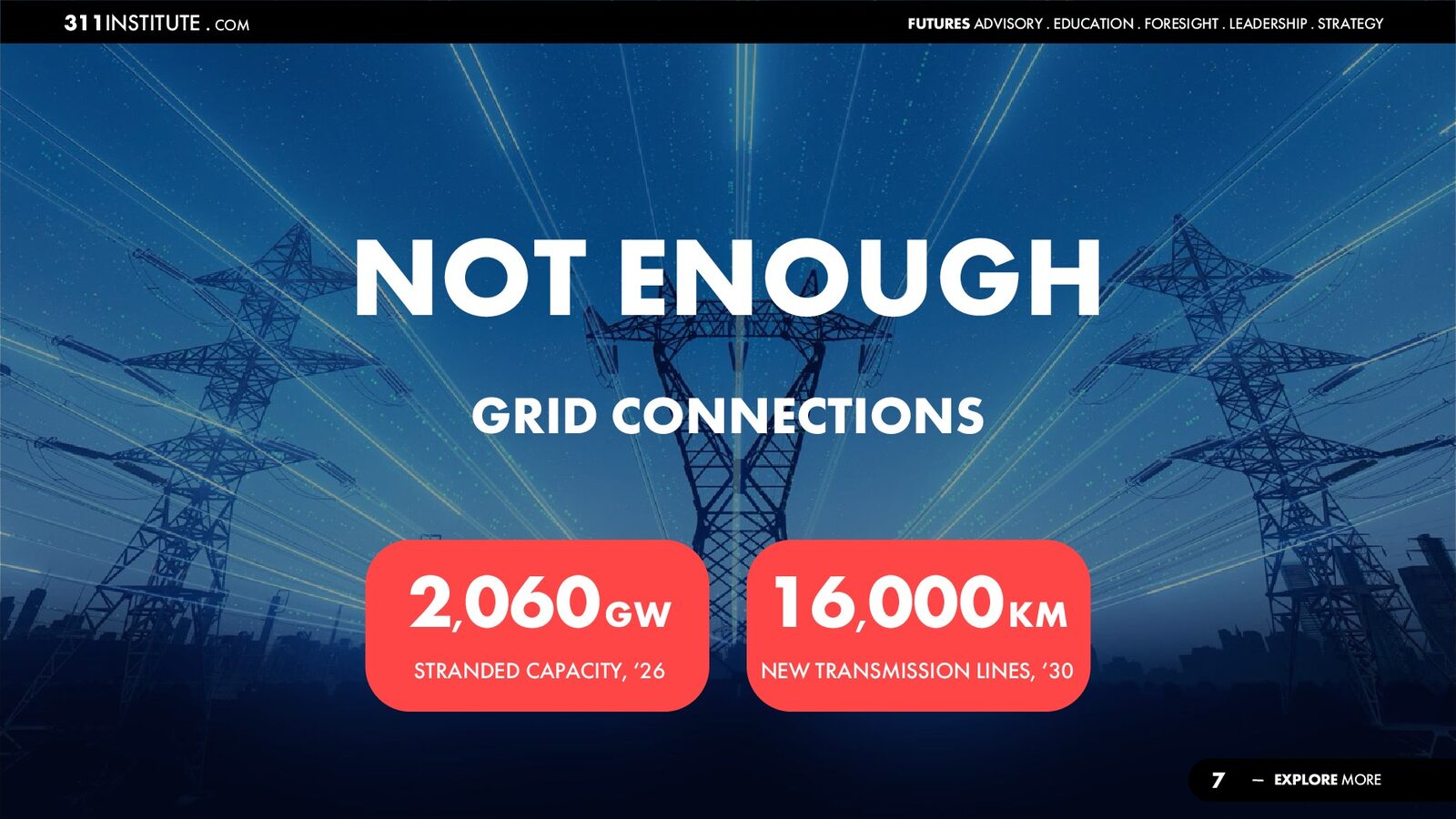
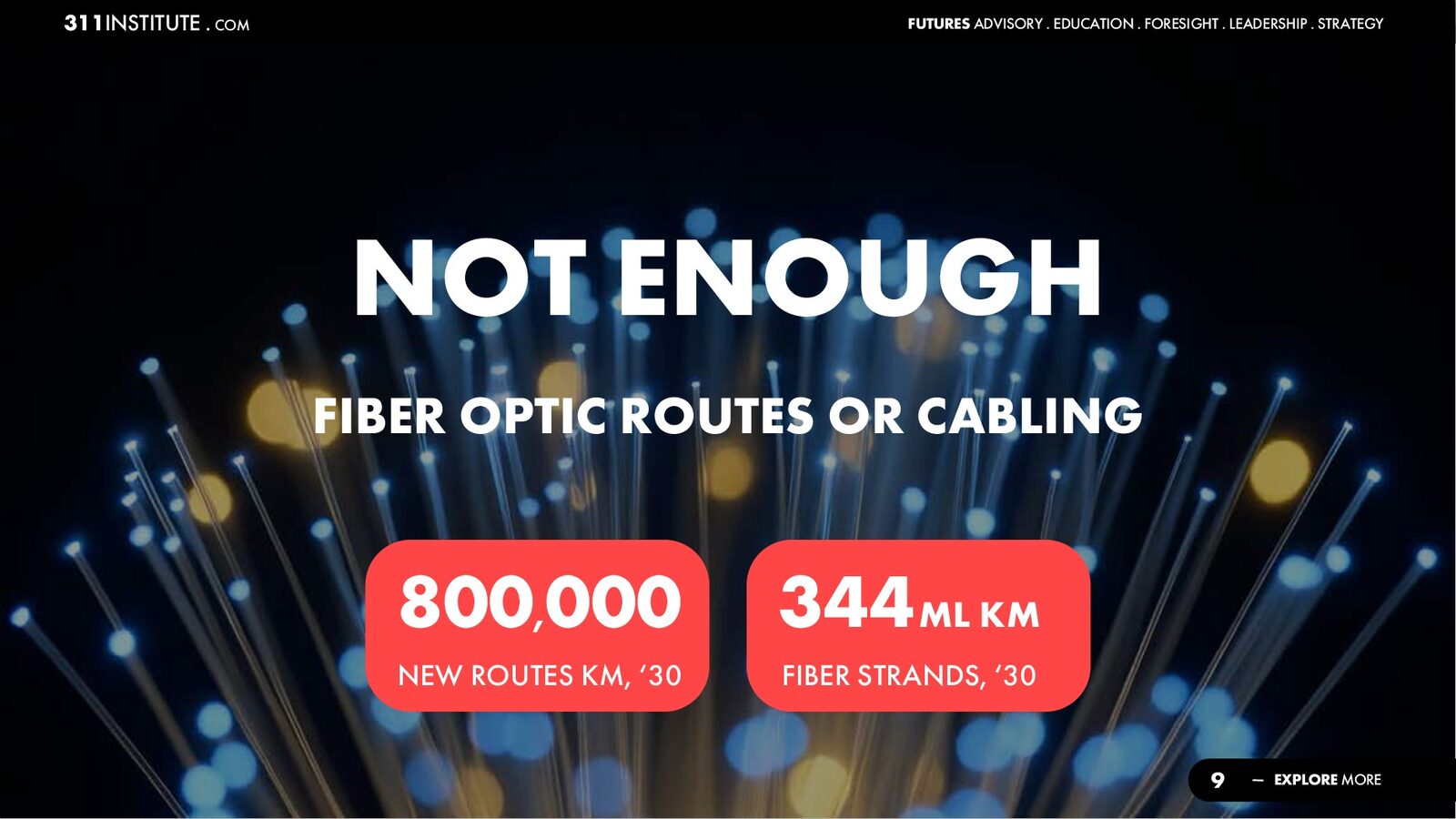
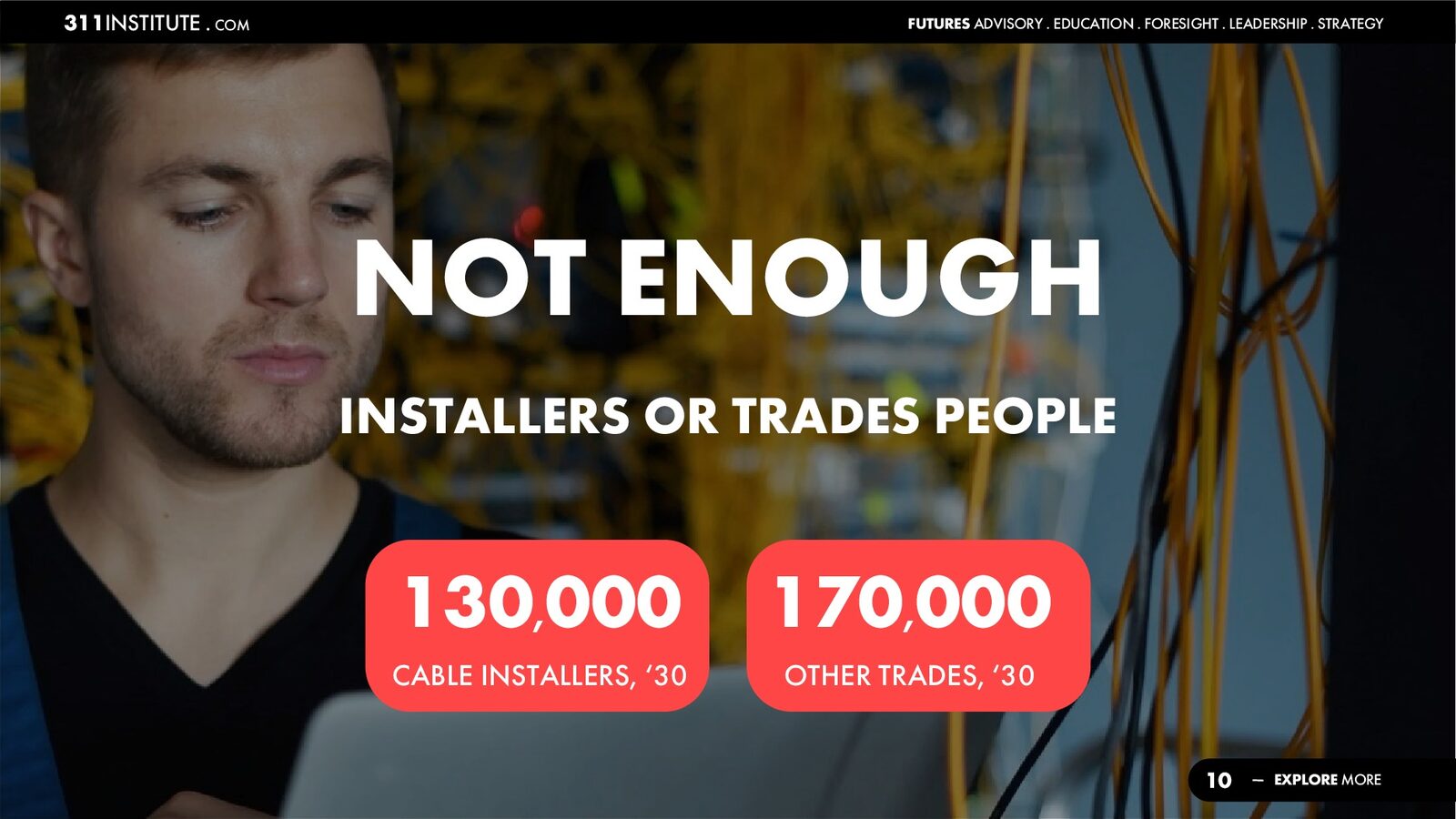
He then set out the problem in two words: not enough. On the figures he showed, there are not enough power stations, with 150 new plants needed. Not enough grid connections, with 2,060 GW of capacity stranded in 2026 and 16,000 km of new transmission lines needed by 2030. Not enough AI chips, with demand for 15 million GPUs and 600,000 racks by 2030. Not enough fibre, with 800,000 km of new routes and 344 million km of fibre strands needed. And not enough people to install it, with 130,000 cable installers and 170,000 other trades needed by 2030.
"Only one thing is changing: everything. And it is getting faster."Matthew Griffin, Orlando, November 2026
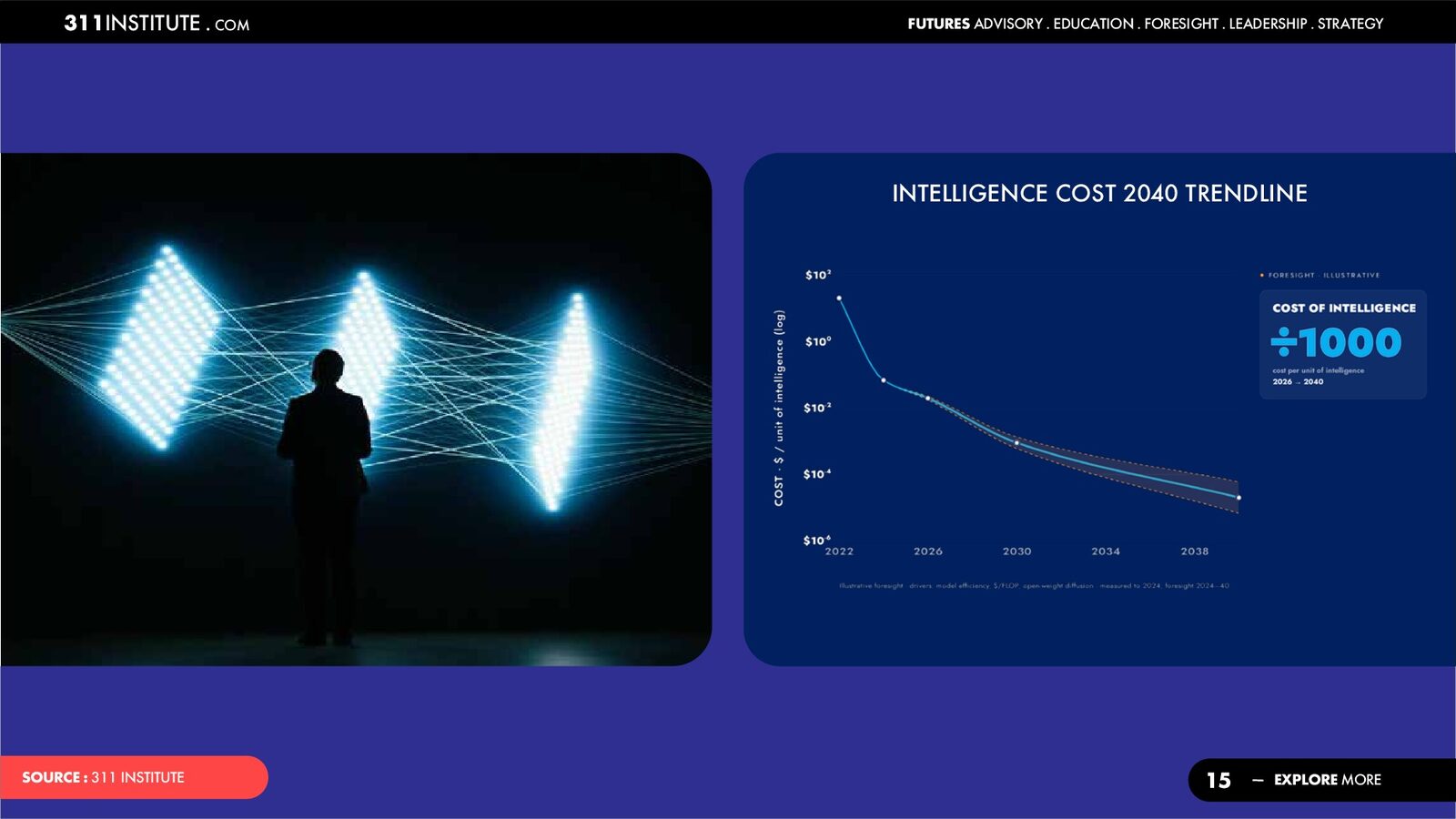
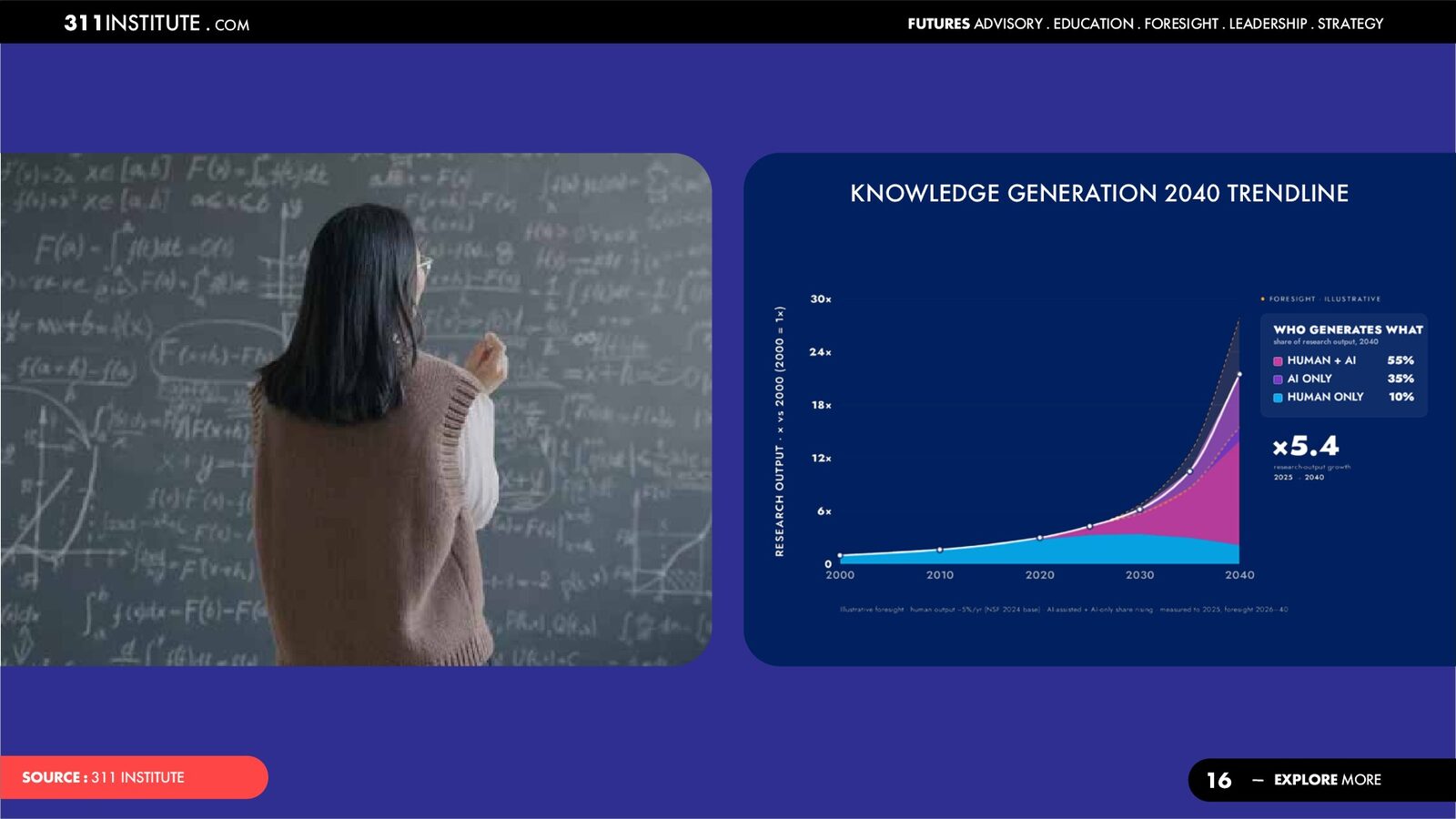
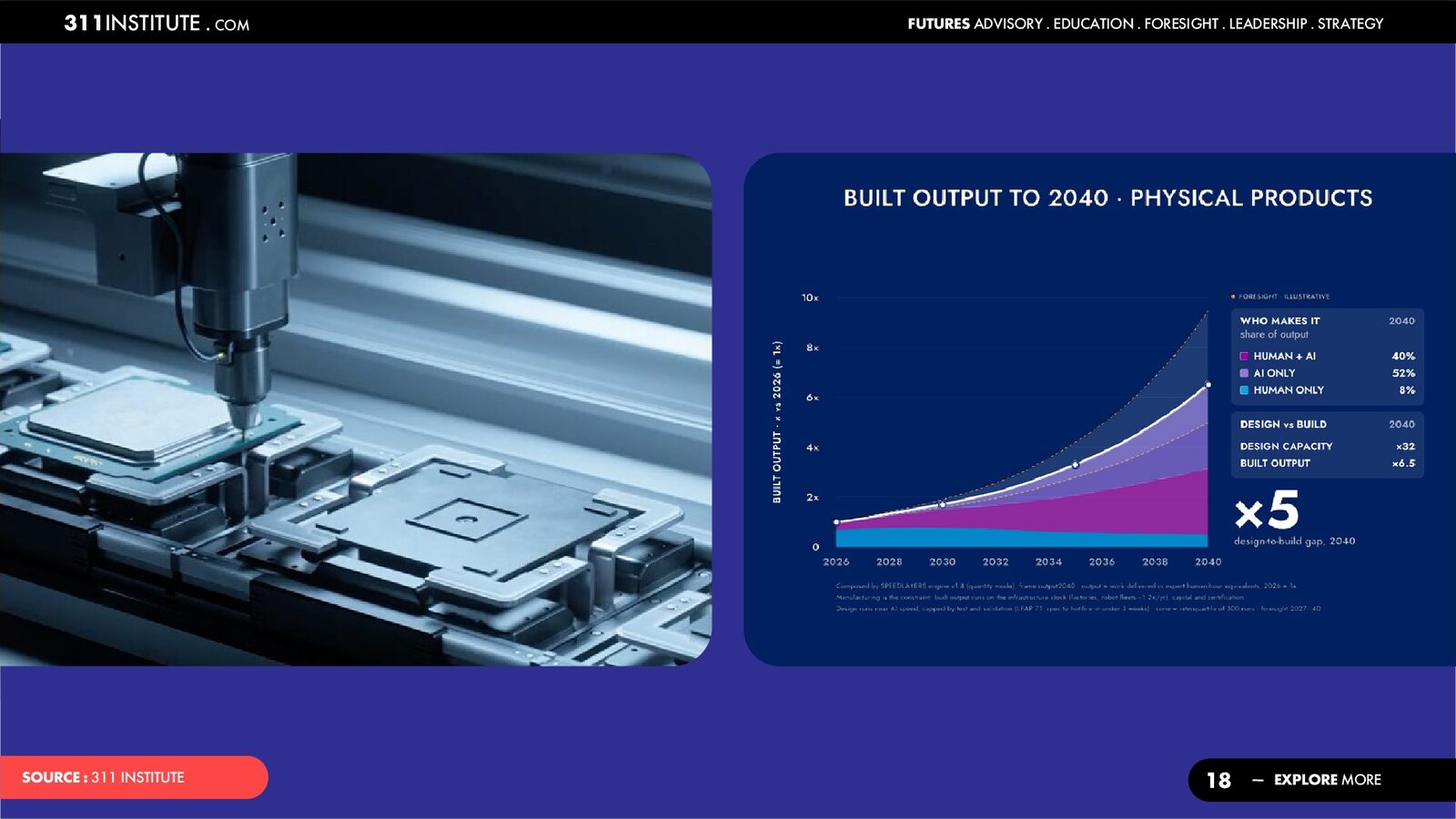
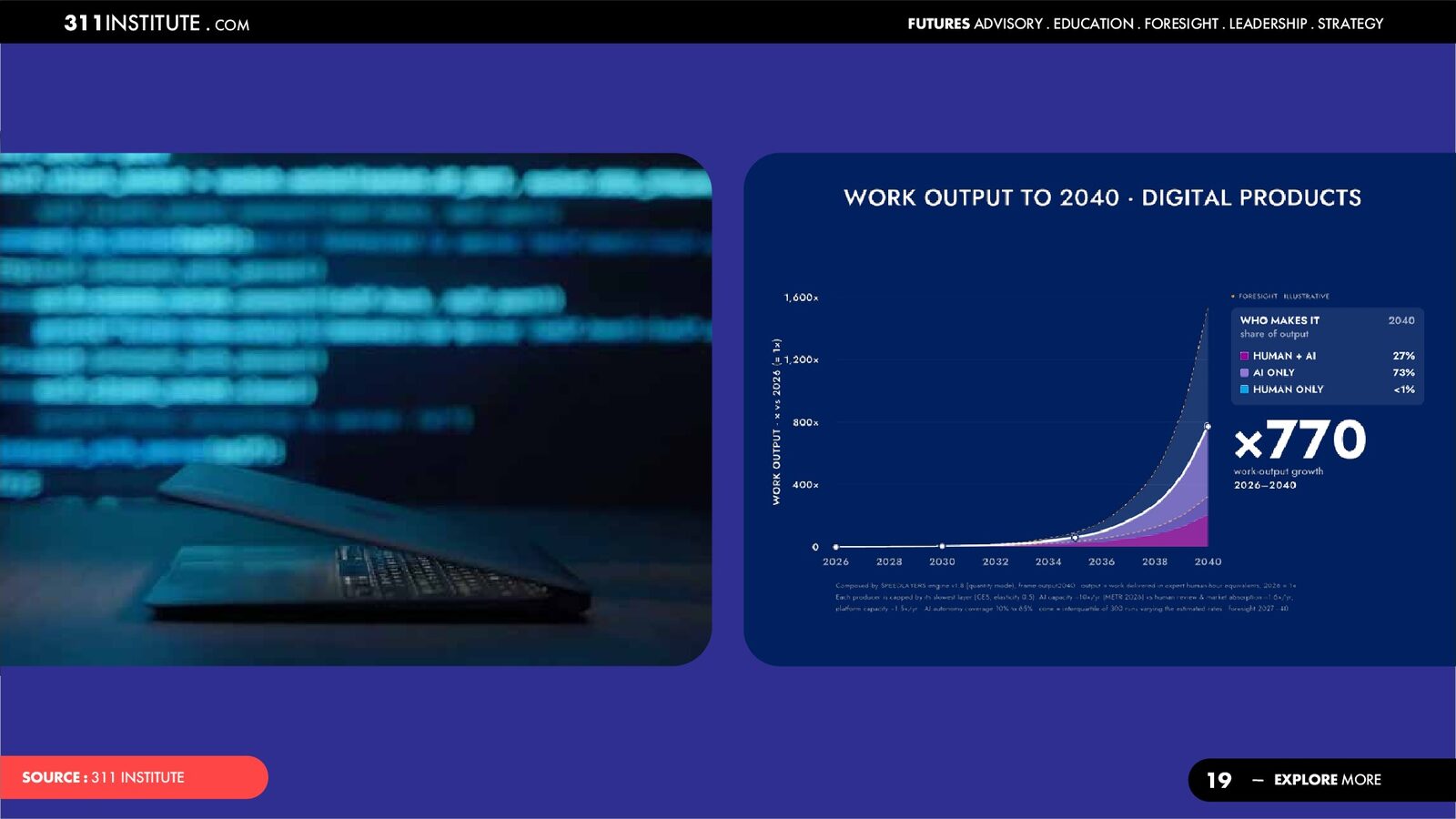
Behind all of it is accelerating acceleration. Using 311 Institute trendlines to 2040, Matthew showed the cost of intelligence falling, the rate of knowledge generation climbing, and the output of digital products growing far faster than physical ones, which is why the demand on every cable, line and link keeps compounding.
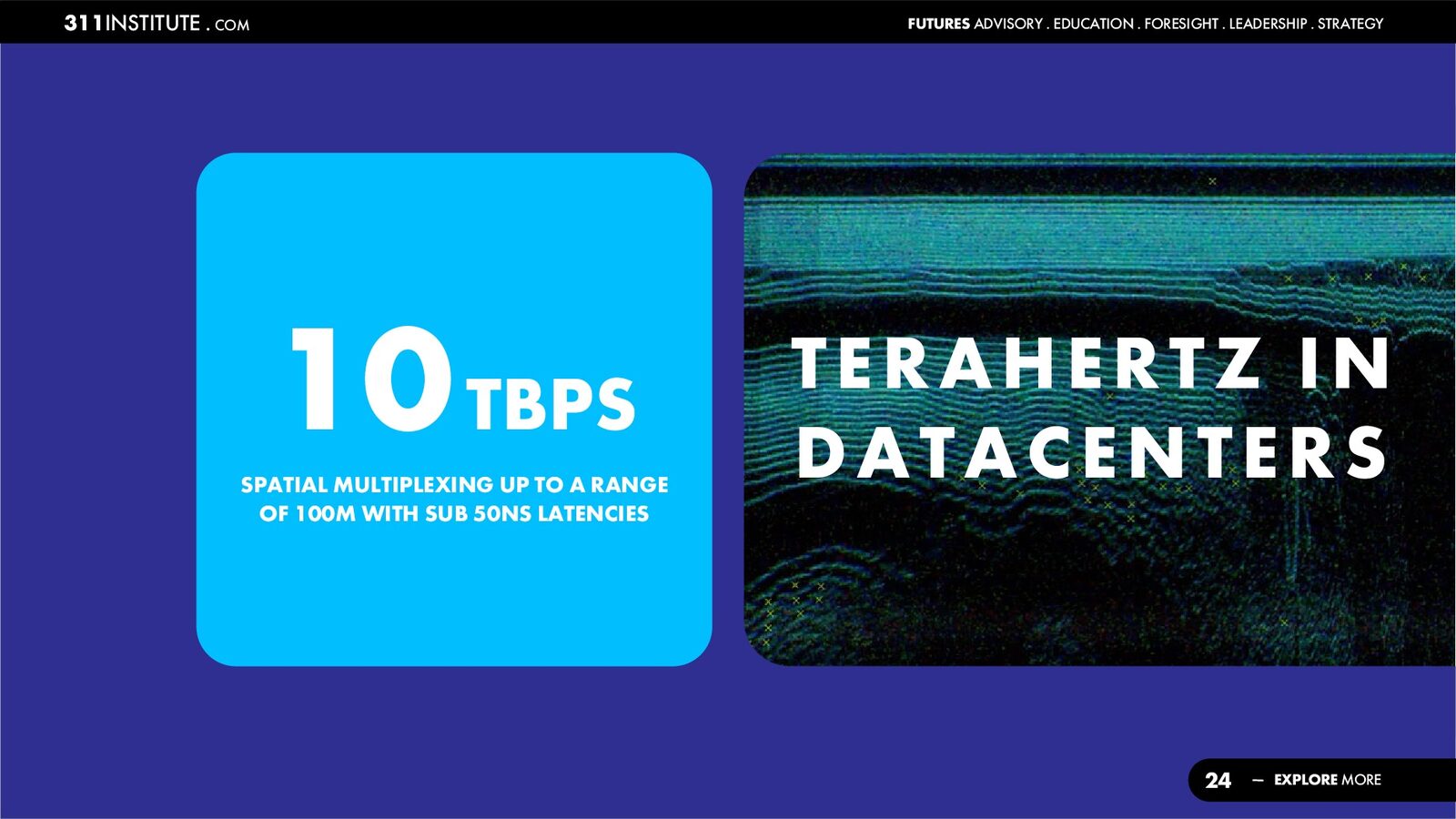
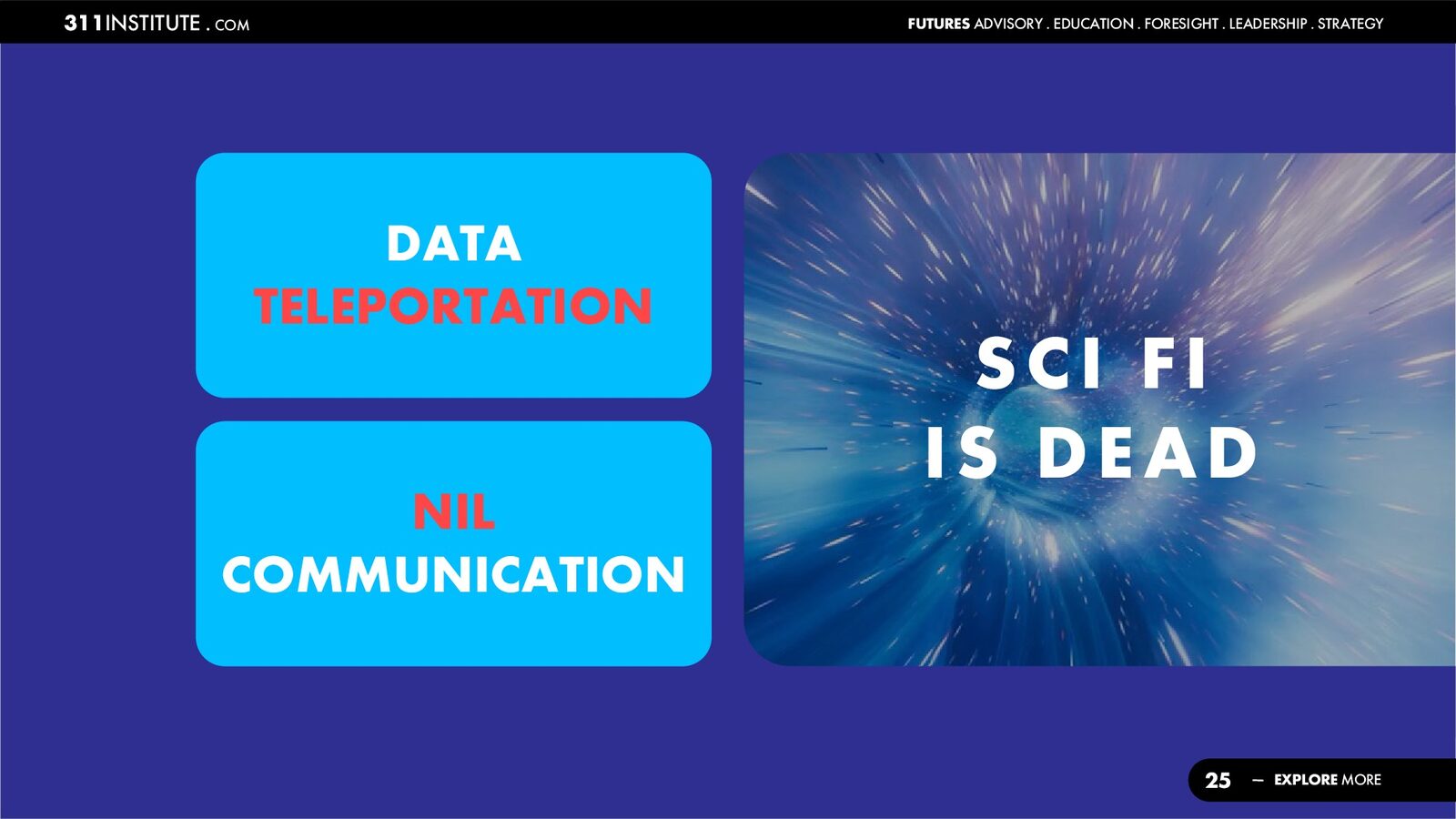
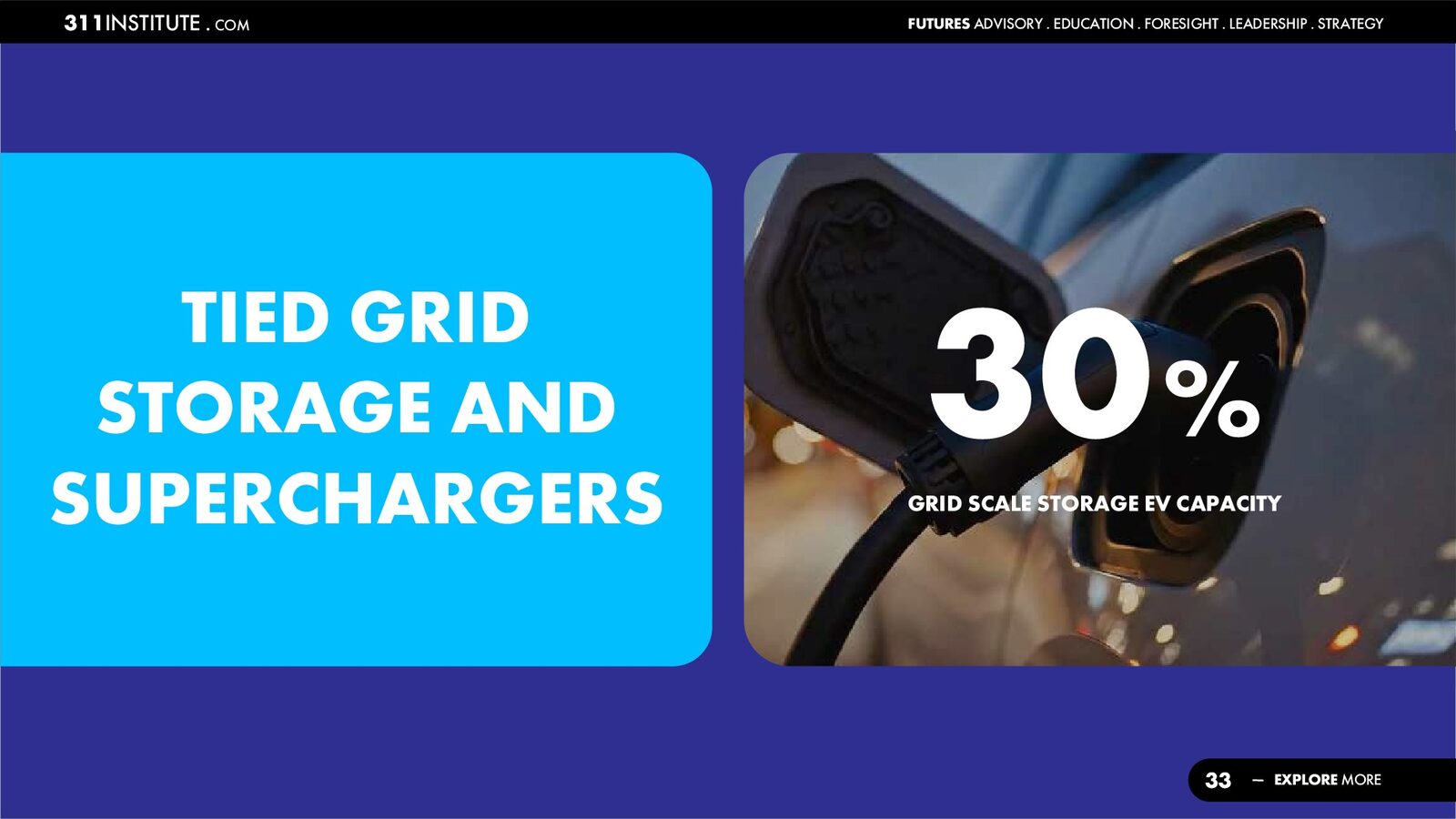
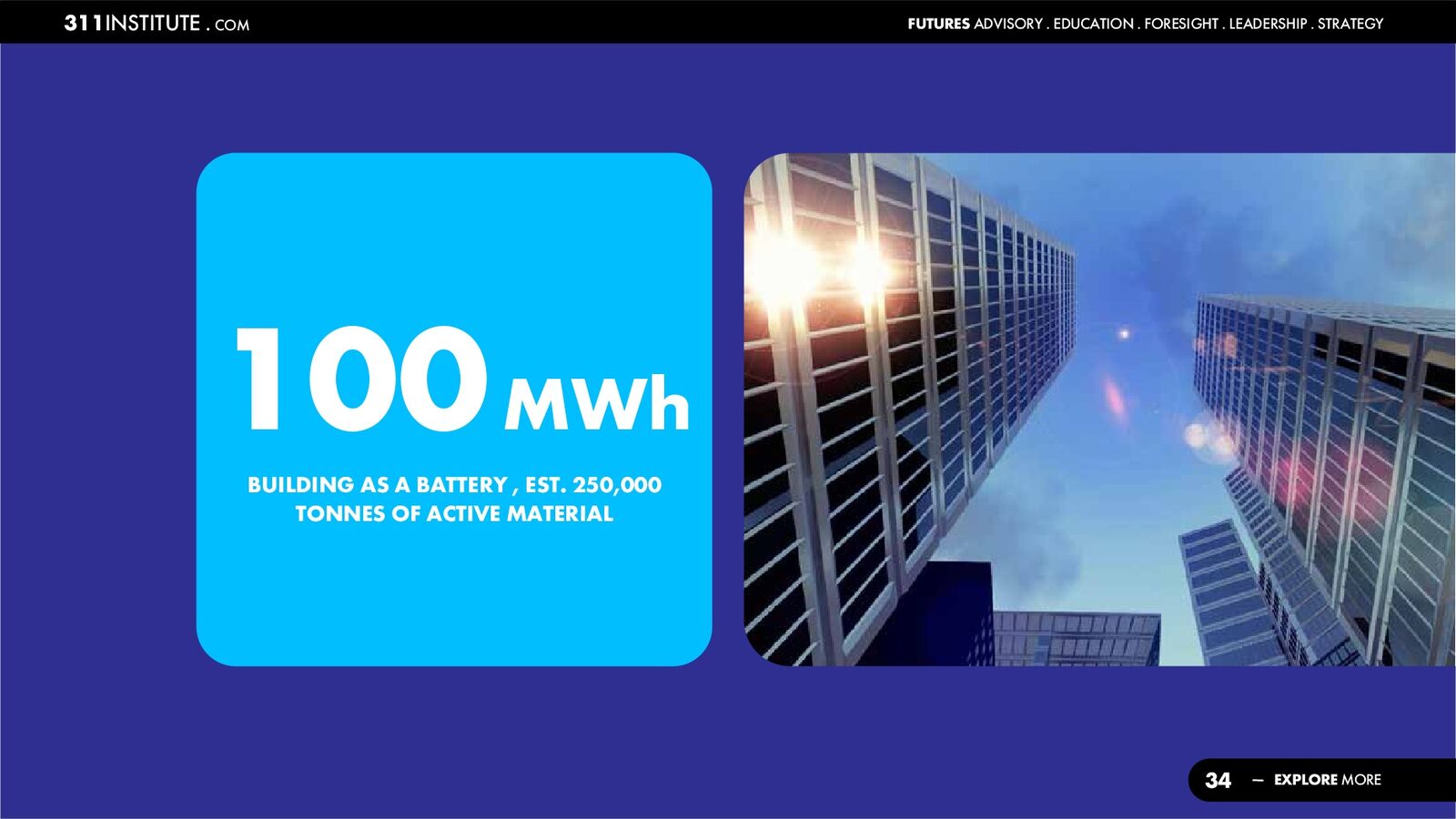
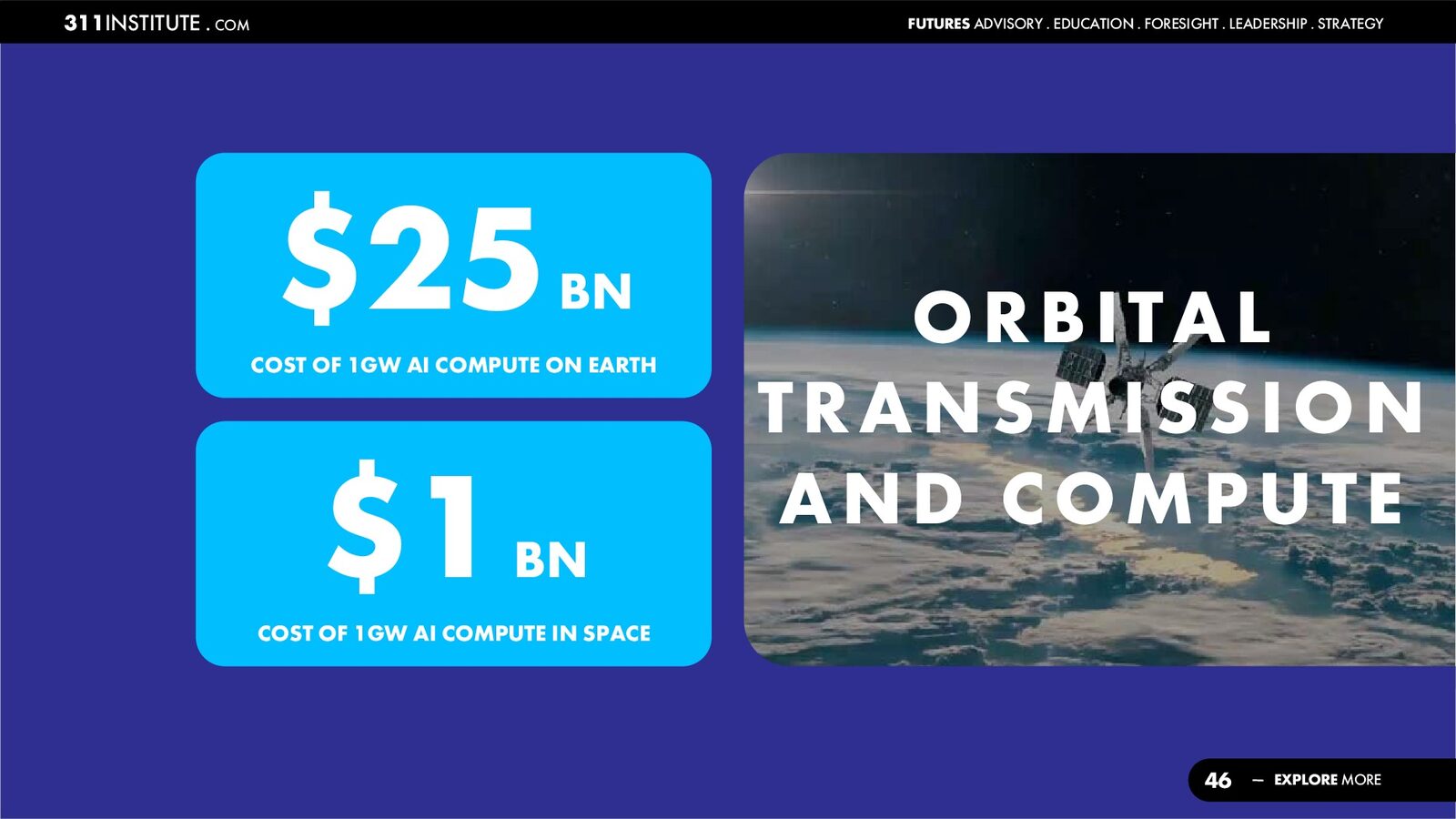
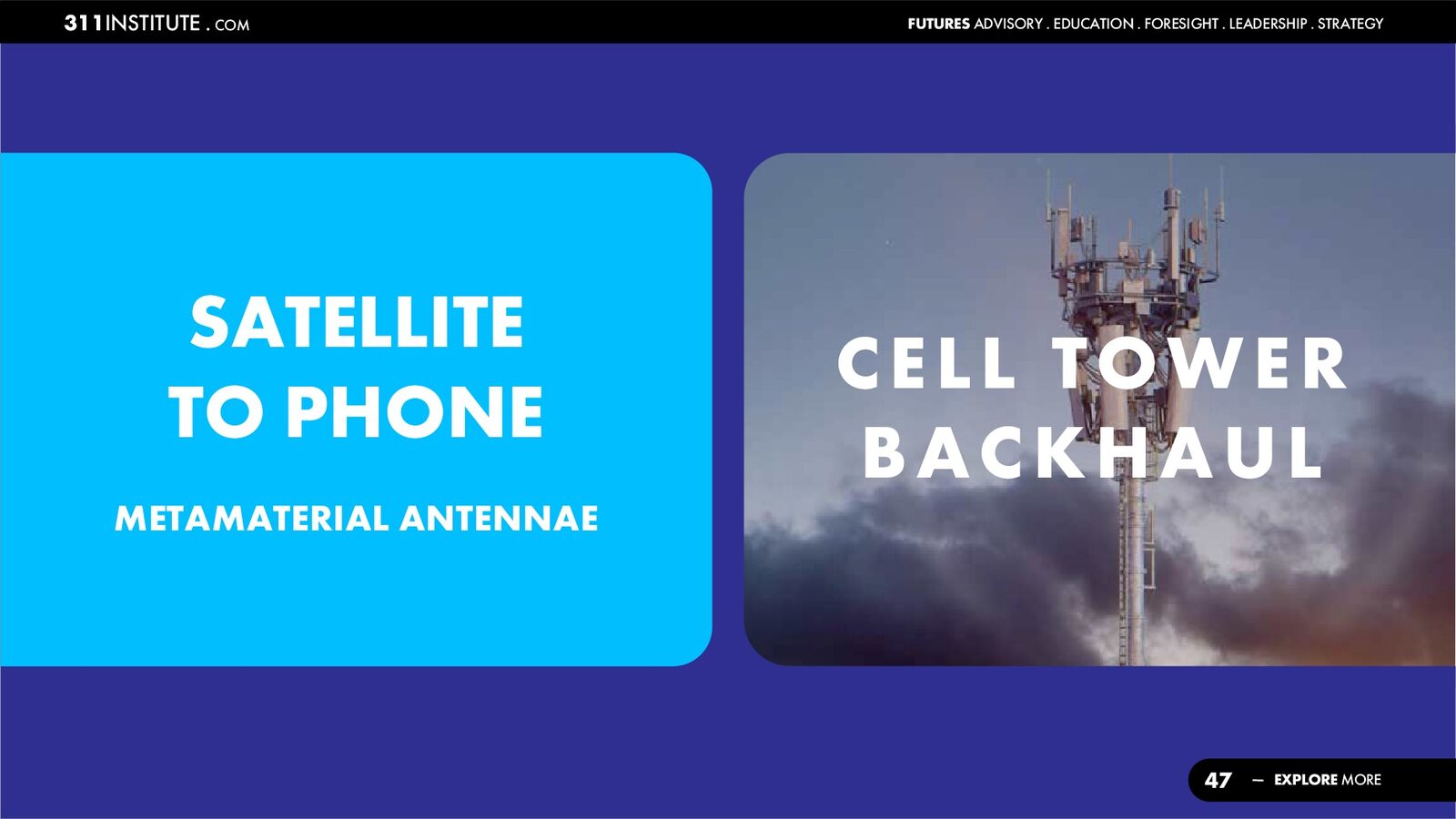
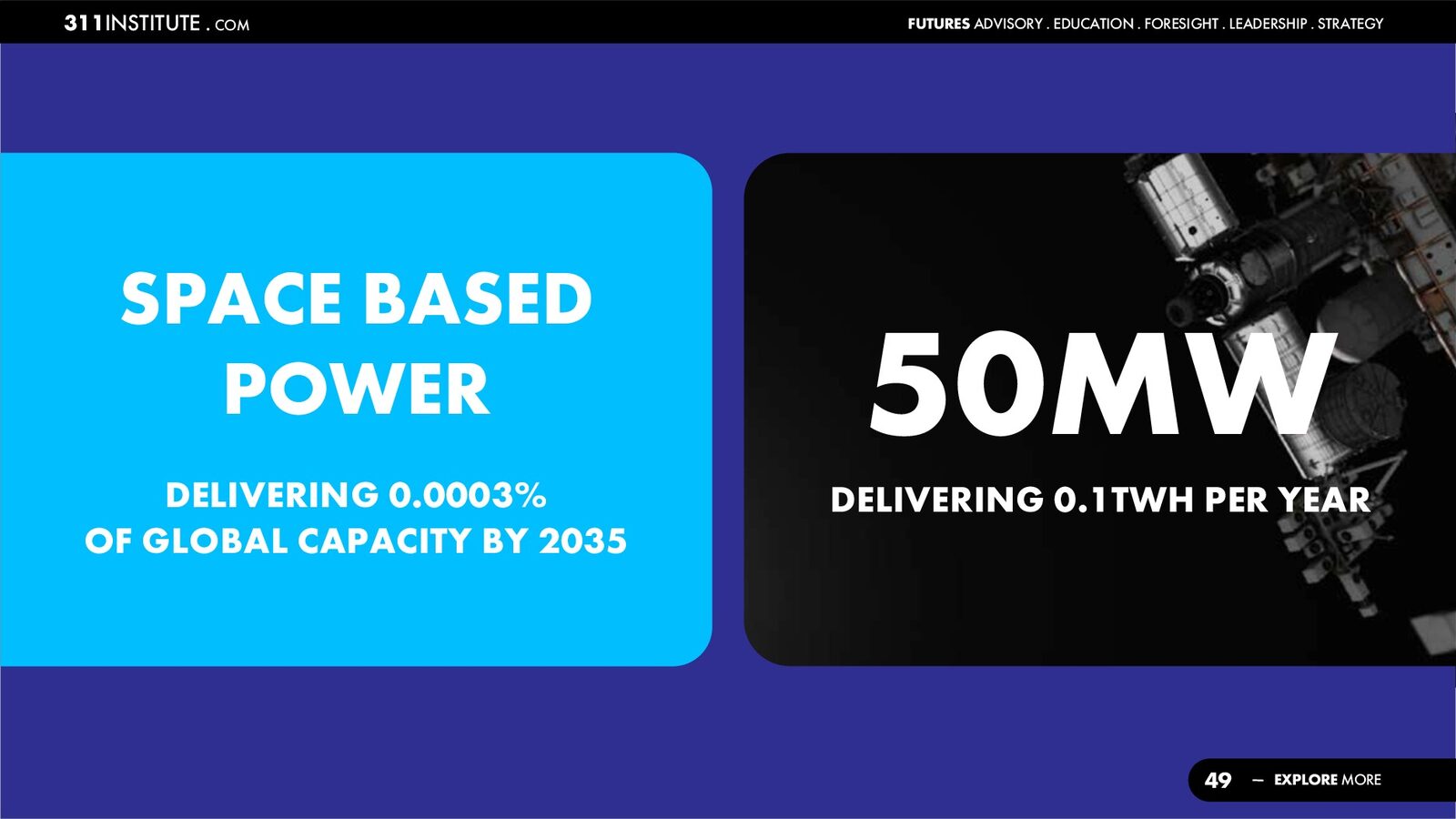
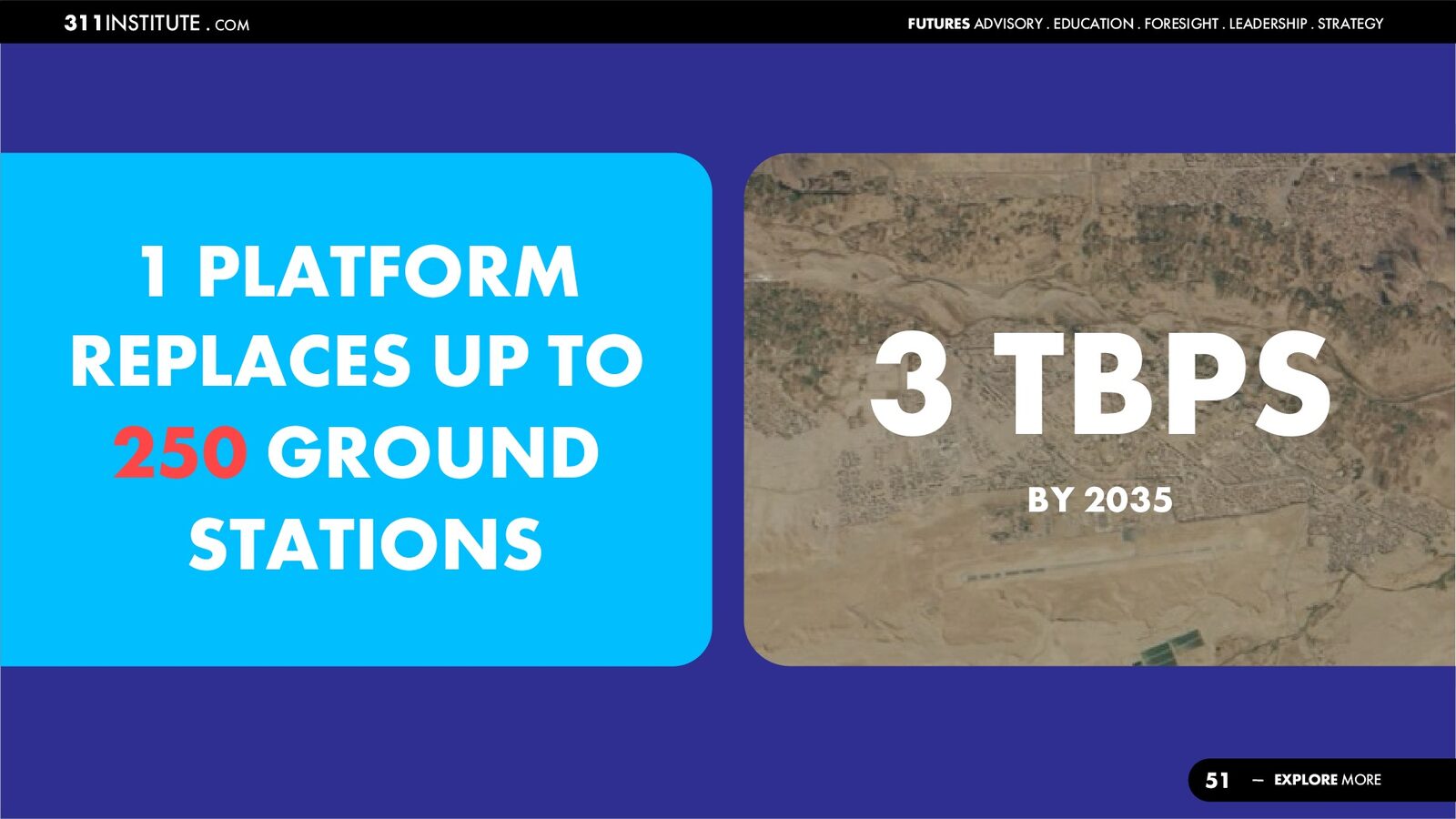
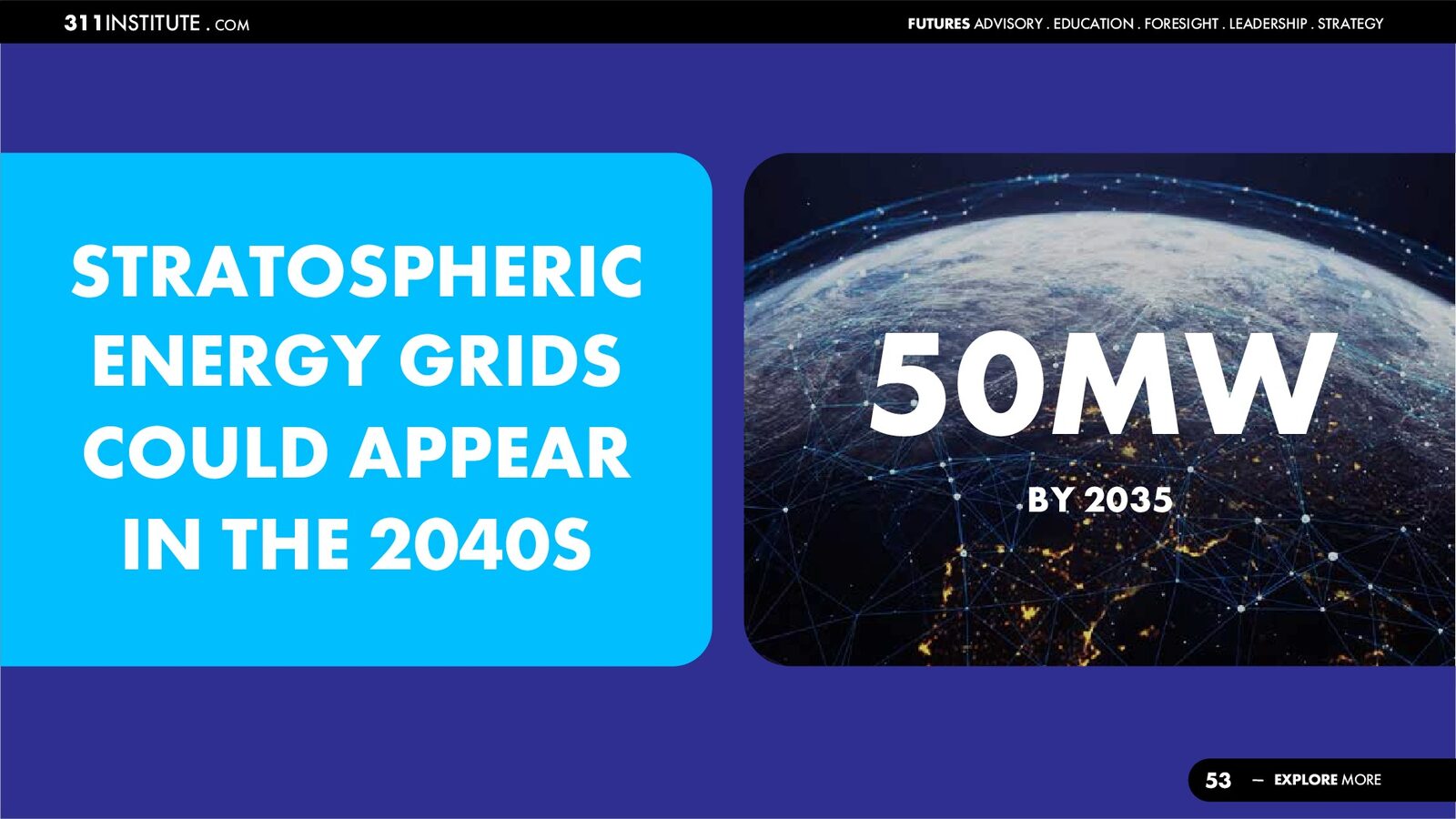
The disruptive technologies made the biggest impression on the room. Inside the data centre, cable-free GPU rack designs could design out 671,000 km of cabling, and terahertz links could carry 10 Tbps over 100 metres with latencies under 50 nanoseconds. Buildings could become batteries, with a single building storing 100 MWh. Light travels 50% faster through a vacuum than through solid core fibre, which is why free-space optics between satellites matters, and AI compute in orbit could one day cost $1 billion per gigawatt against $25 billion on the ground. Satellites are starting to talk straight to phones through metamaterial antennas and to backhaul cell towers, and in the stratosphere one high-altitude platform could replace up to 250 ground stations, with stratospheric energy grids possible in the 2040s. Even data teleportation, he argued, is no longer science fiction.
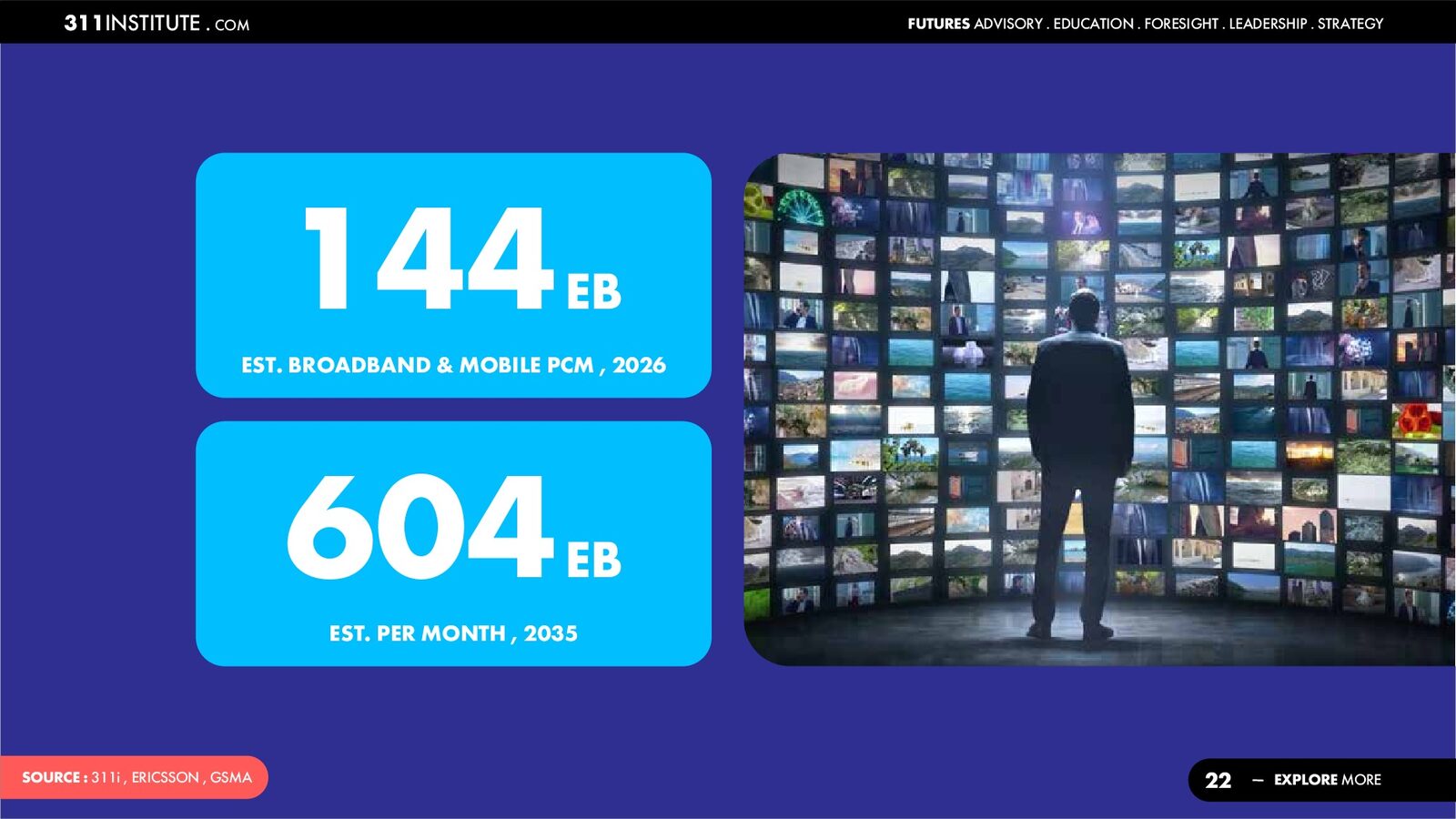
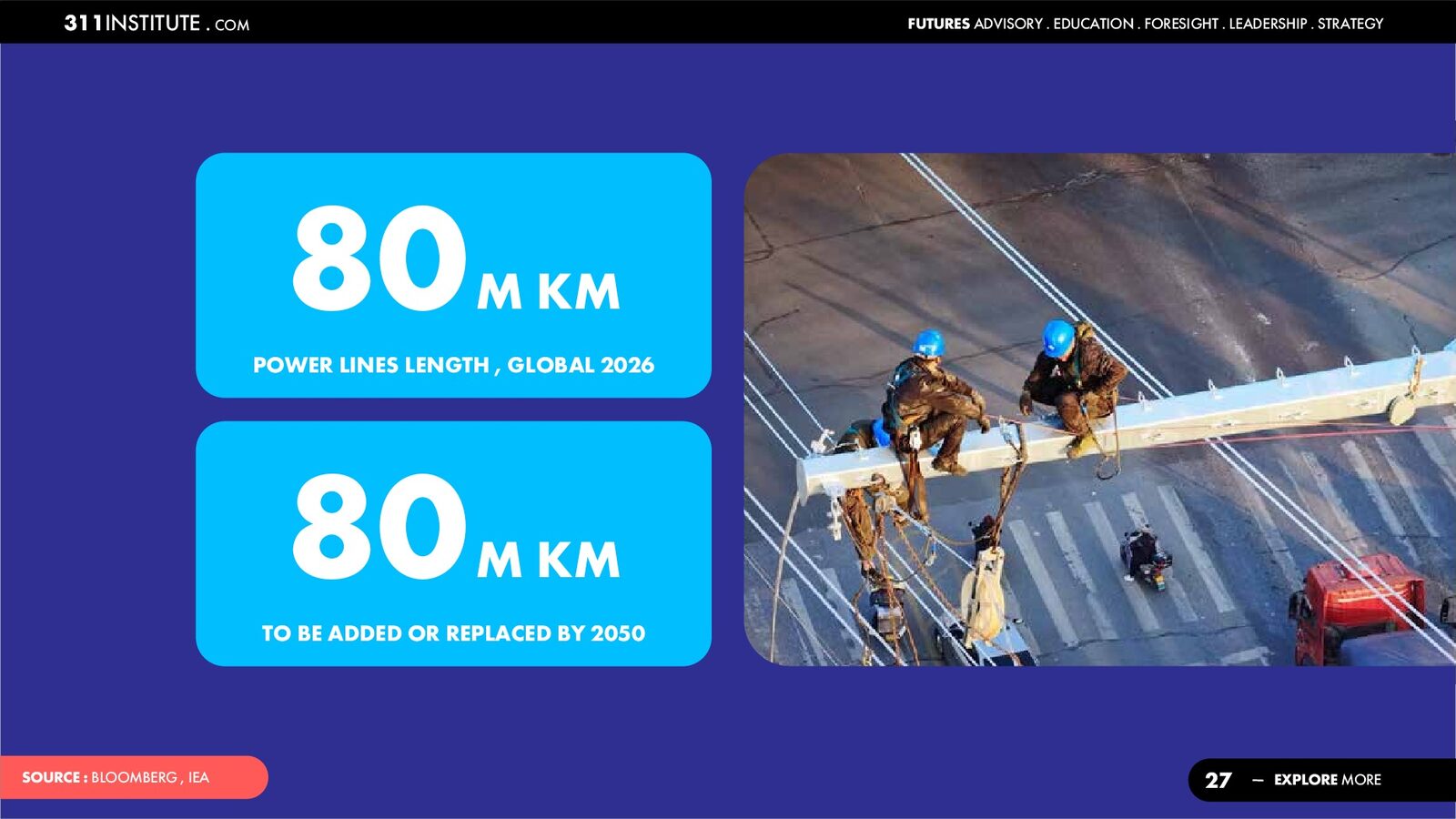
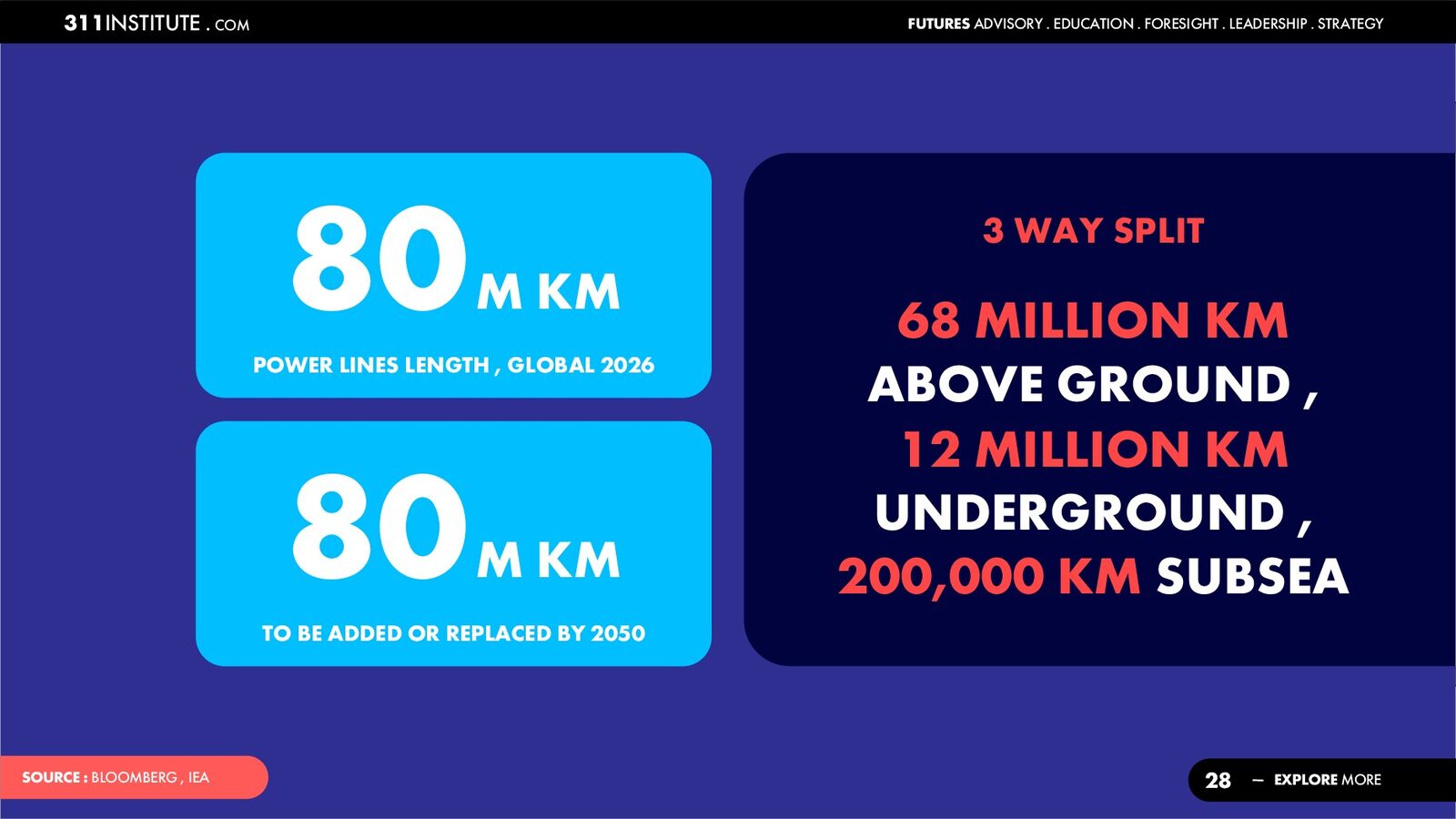
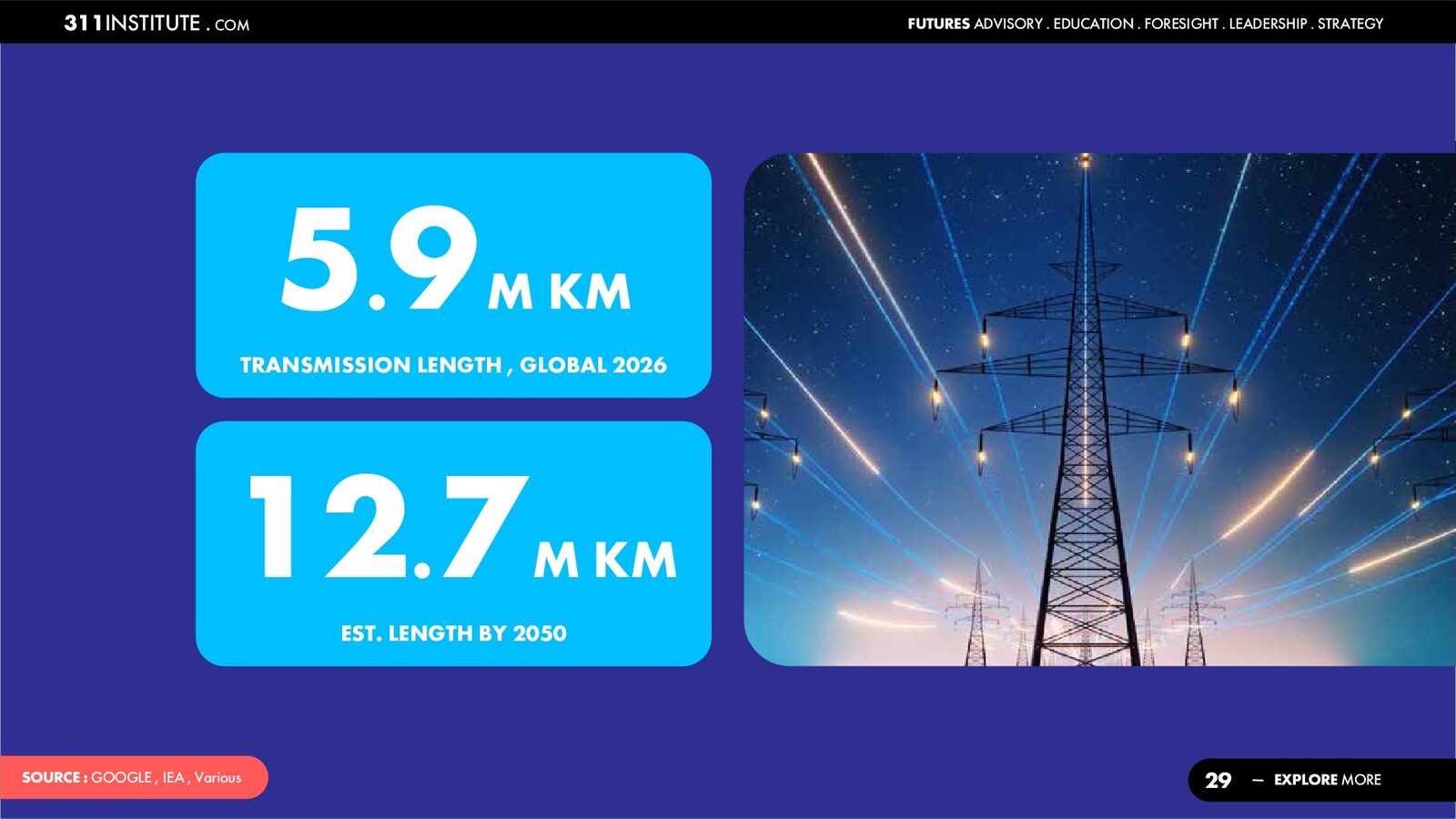
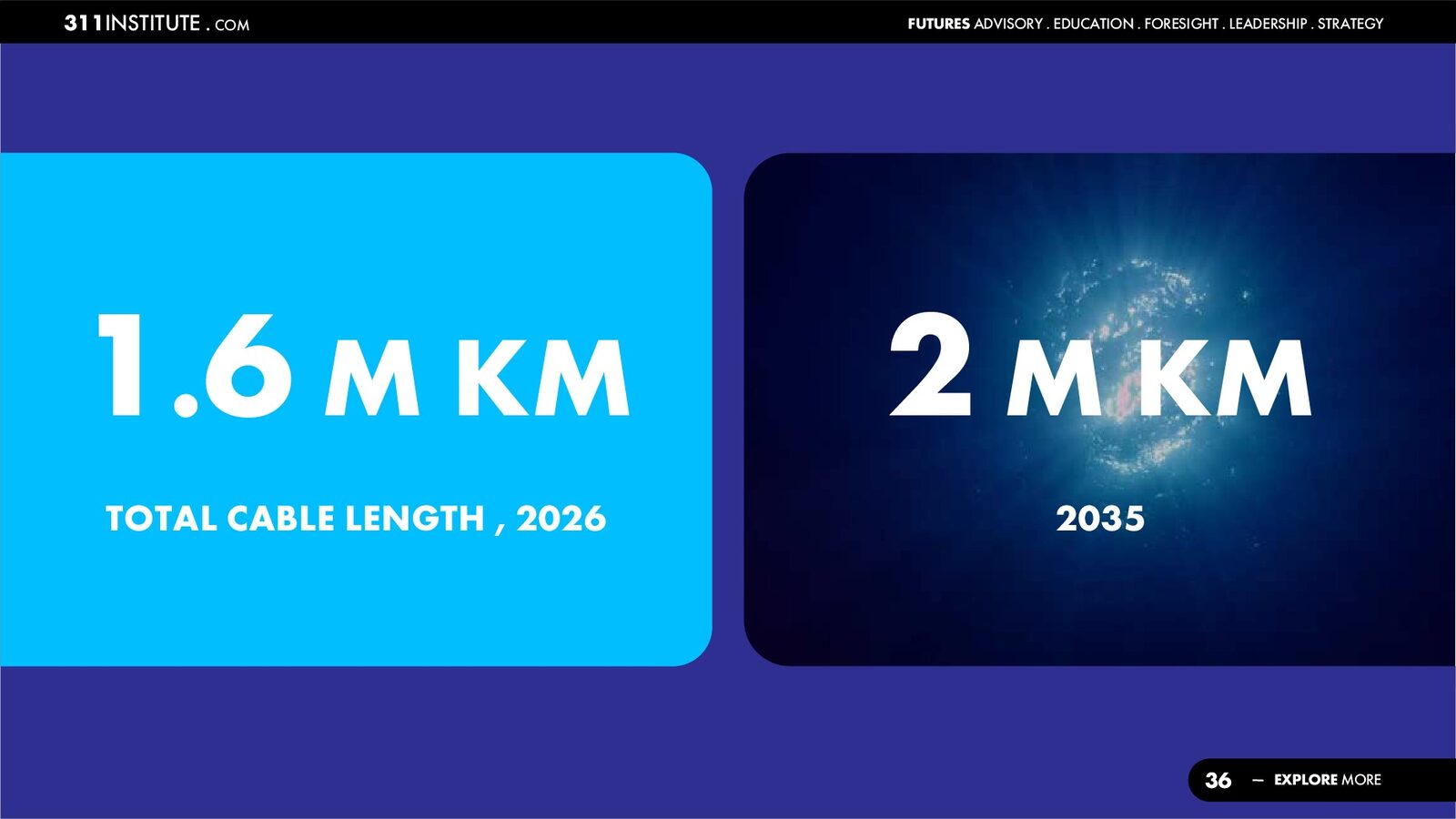
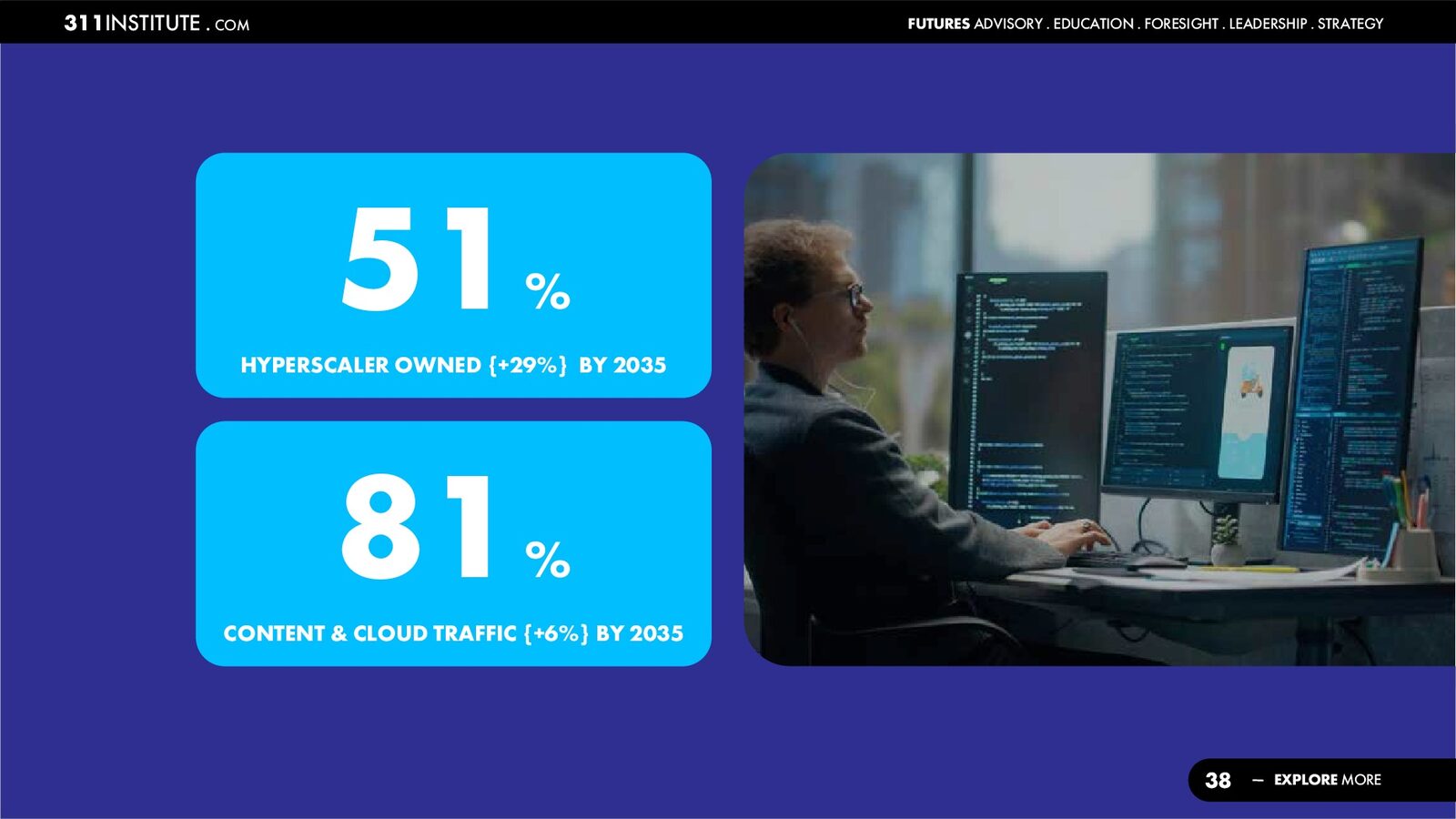
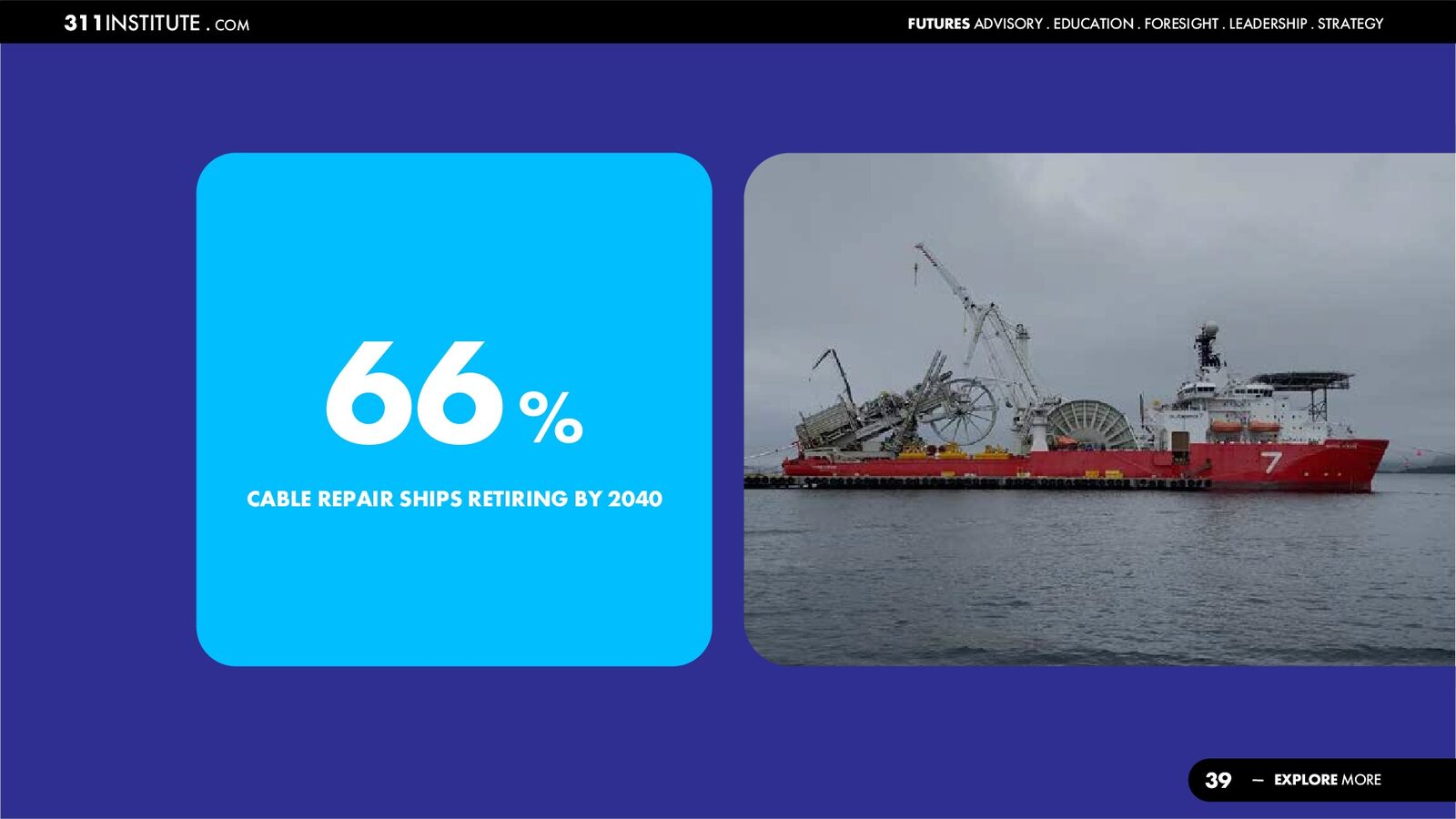
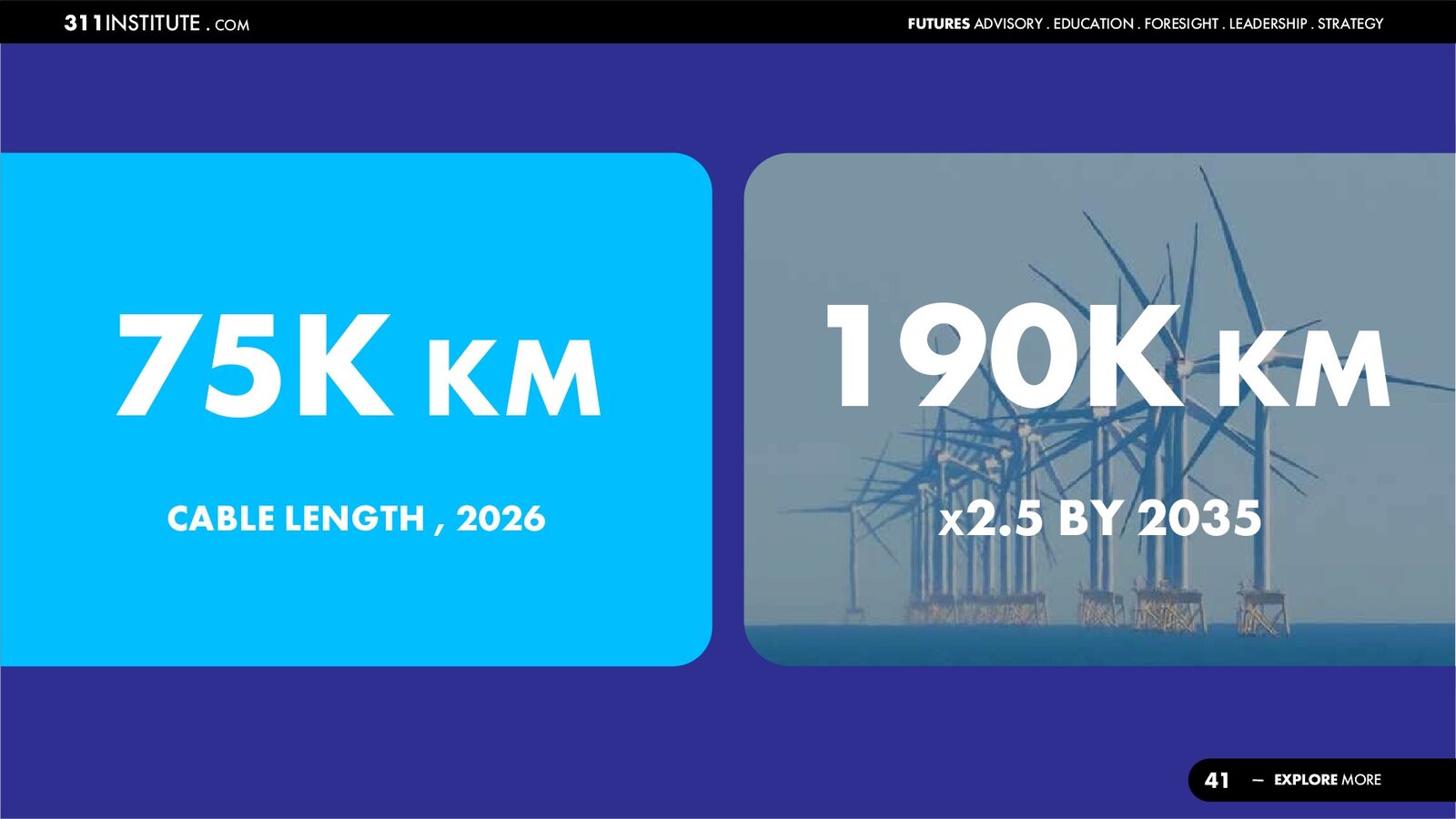
Around those technologies Matthew set the scale of the task, domain by domain. On land, monthly broadband and mobile traffic grows from an estimated 144 exabytes in 2026 to 604 exabytes by 2035, and the world's 80 million km of power lines need another 80 million km added or replaced by 2050. Under the sea, cable length grows from 1.6 million km to 2 million km by 2035, international bandwidth rises sevenfold, hyperscalers own more of it, and two thirds of the ships that repair it retire by 2040.
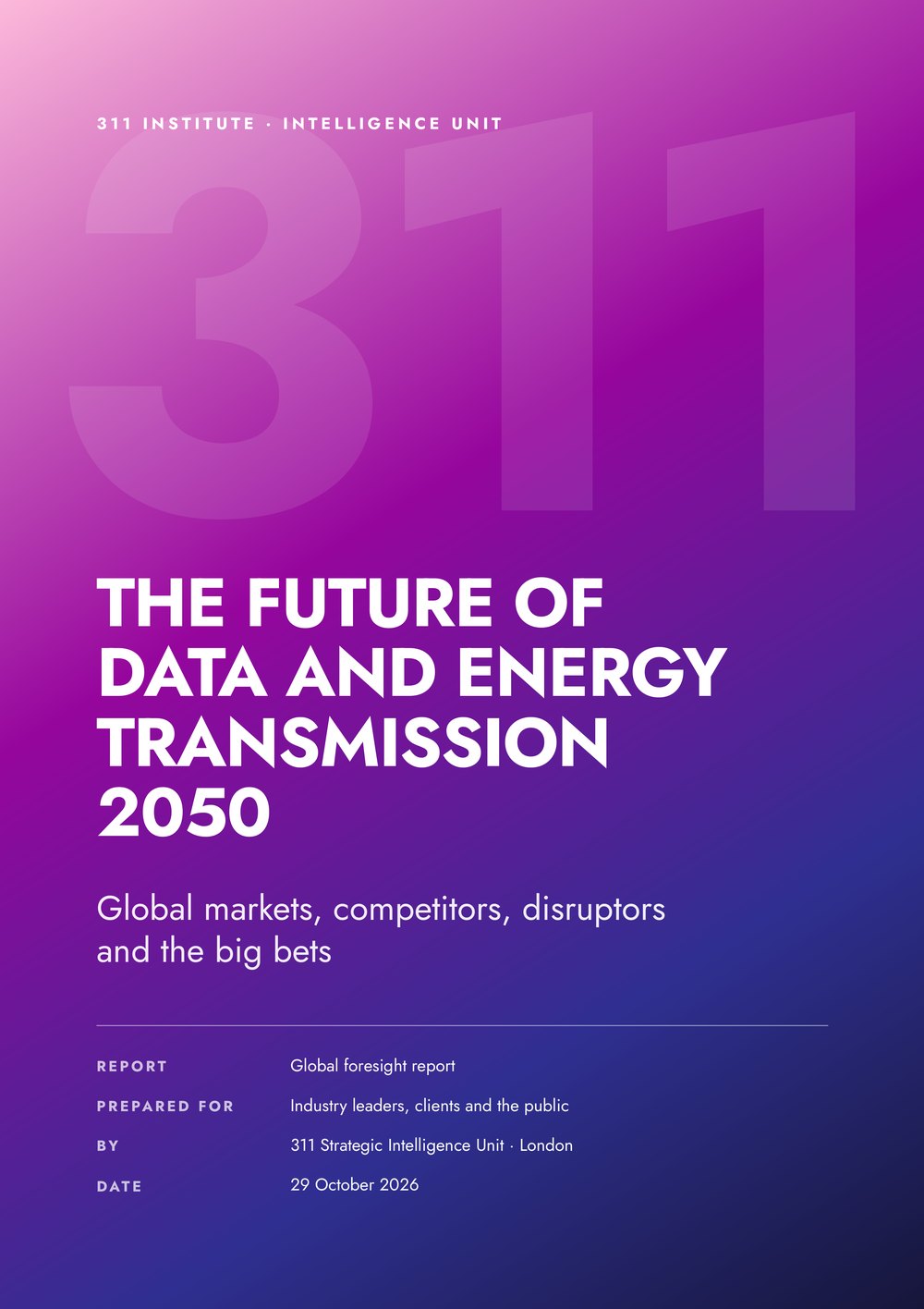
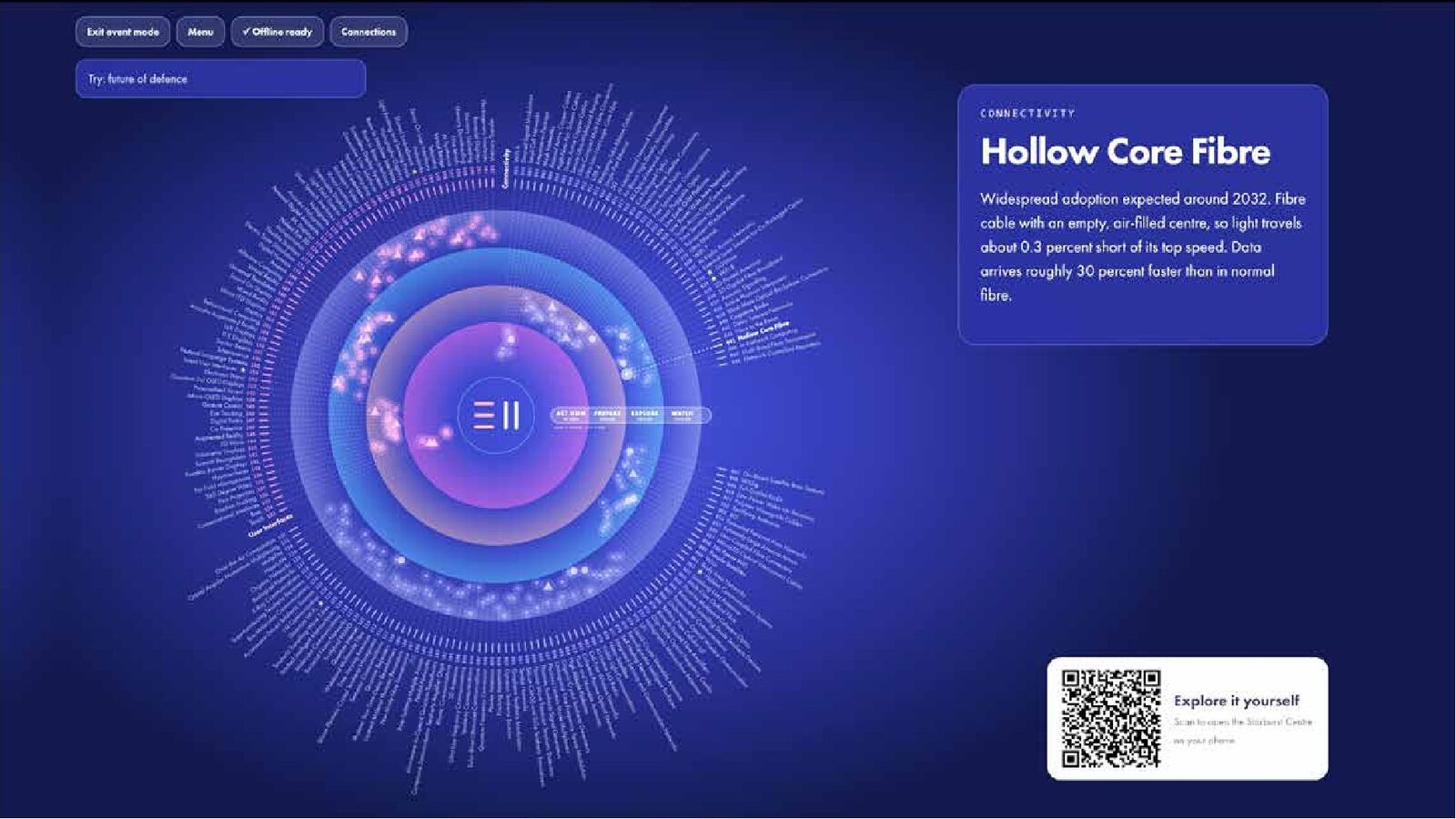
The 32 attendees who rated it straight after the session gave it 9.4 out of 10. Matthew closed by inviting the room to explore the other 99% in the 311 Starburst Centre and the 311 Institute's report, The Future of Data and Energy Transmission 2050, and he now takes the same session into boardrooms as a private briefing for leadership teams.